
Galbi Jjim Korean Soy-Braised Beef Short Ribs for Comfort
Last Updated on February 12, 2026 by Antoni Recipes Team
In the heart of every home kitchen lies the magic of comforting meals that not only fill our stomachs but also warm our souls. One such treasure is Galbi jjim, a Korean dish that beautifully marries the savory and sweet flavors of soy-braised beef short ribs with a medley of aromatic vegetables. The first time I experienced this dish, the tender ribs glistening in a rich, savory sauce left an unforgettable impression. Each bite is a harmonious blend of melt-in-your-mouth meat and a depth of flavor that tells a story of family traditions and shared moments.
Perfect for gatherings or cozy dinners at home, Galbi jjim transforms simple ingredients into a culinary experience that feels like a warm hug. Whether you re a seasoned chef or new to Korean cuisine, this recipe offers variations from sweet pork ribs to delightful additions like dried jujube that allow you to make it your own. Get ready to indulge in a recipe that s not just about food but flavors that resonate with comfort and joy. Let s dive into creating this exquisite dish that s sure to impress!
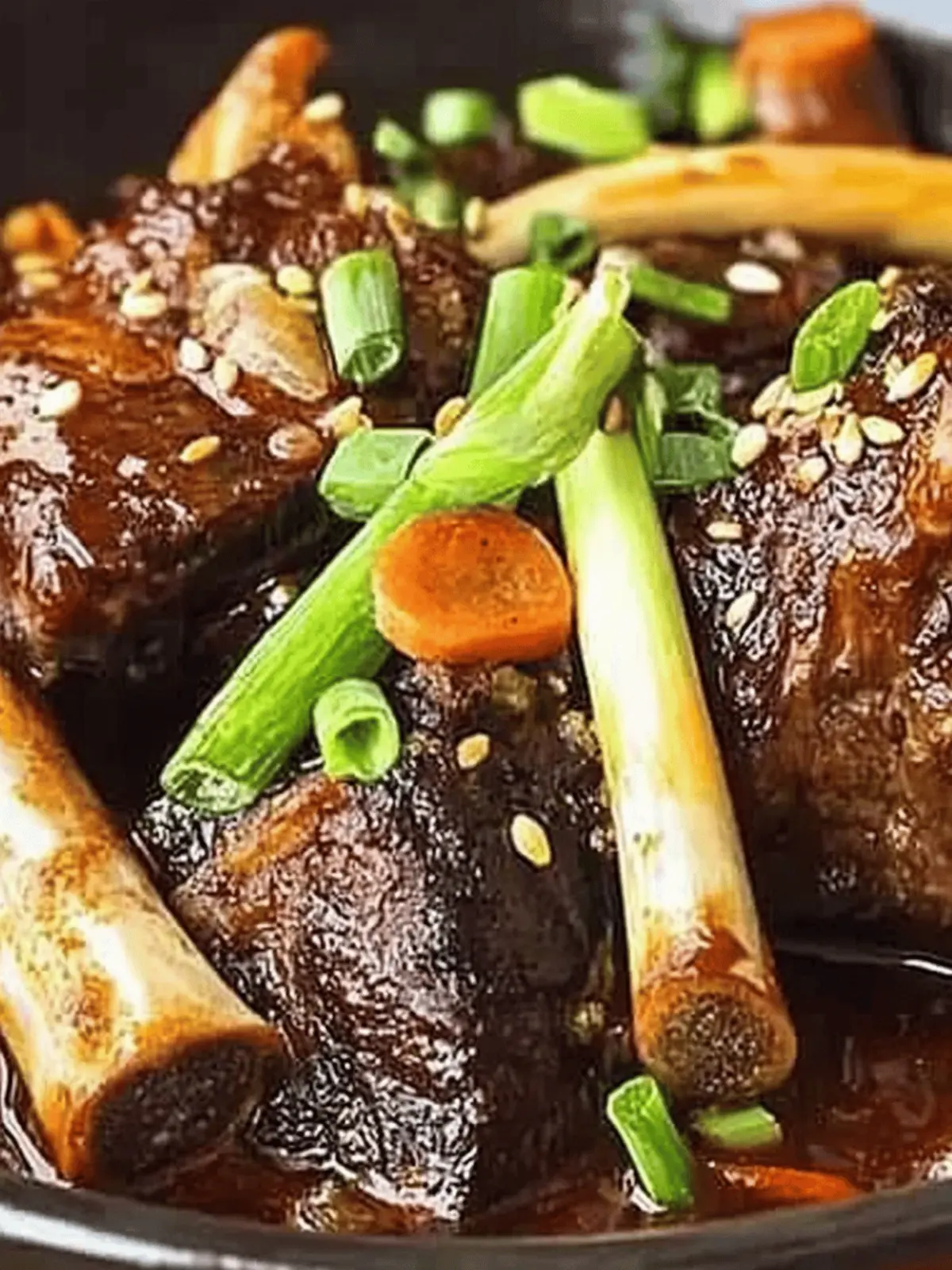
Why is Galbi jjim a must-try recipe?
Simplicity at Its Best: This recipe requires only a few easy steps, making it approachable for cooks of any level.
Comforting Flavors: The combination of savory soy sauce and sweet ingredients creates a deeply satisfying sauce that enhances the tender meat.
Versatile Ingredient Options: Feel free to switch beef for pork ribs or add vibrant vegetables for a unique twist.
Perfect for Meal Prepping: This dish develops even richer flavor after a night in the fridge, making it ideal for advance preparations.
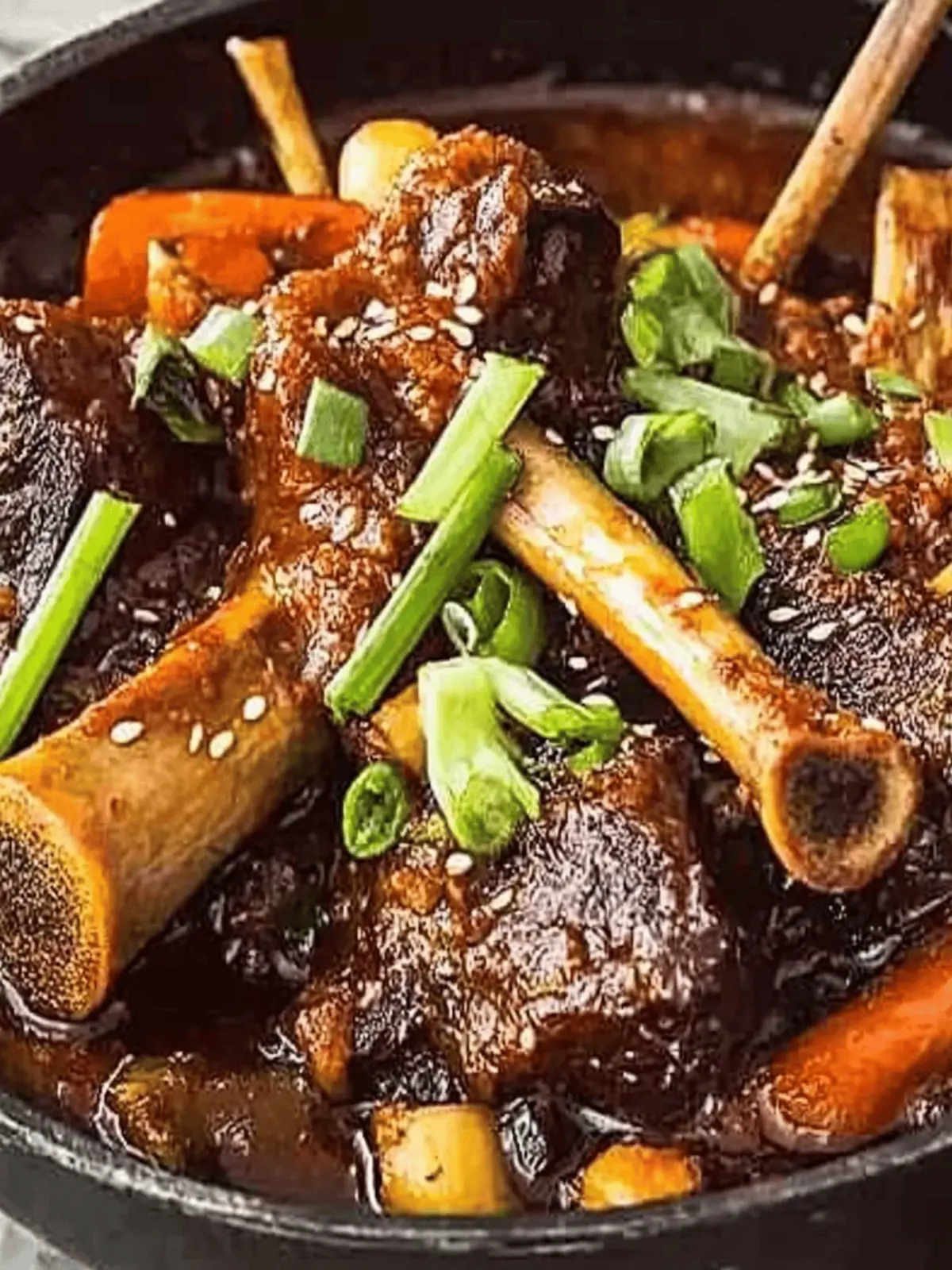
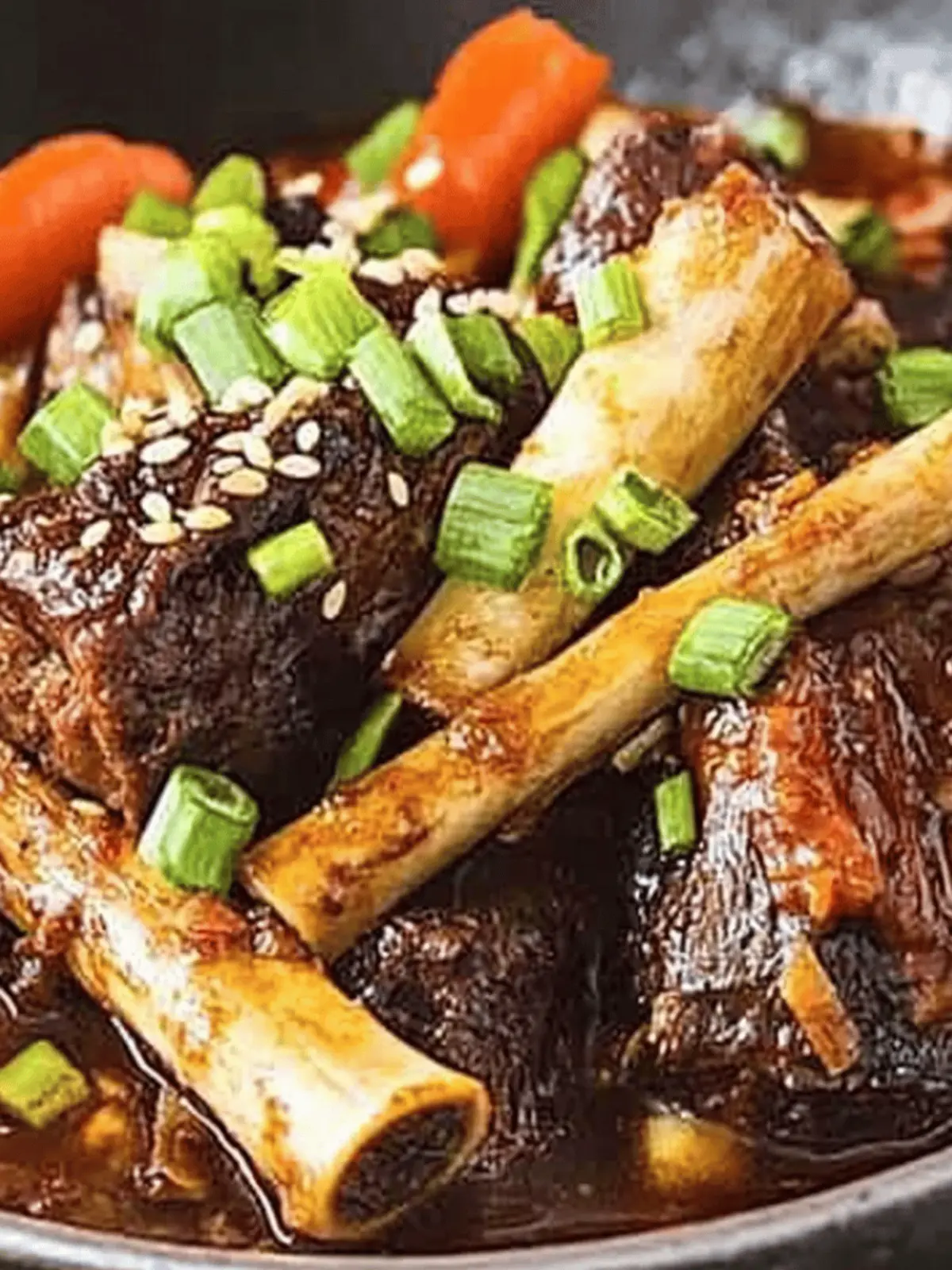
Delightful Presentation: Serve it with a sprinkle of spring onions and pine nuts for a visually stunning meal that wows at the dinner table.
Experience the joy of creating Galbi jjim, a heartfelt dish that brings people together around the table.
Galbi Jjim Ingredients
- For the Ribs
Beef Short Ribs The star of the dish, providing rich flavor and tenderness; pork ribs can be substituted for variety.
Dried Whole Red Chillies Adds a kick of heat; adjust according to your spice preference.
Cinnamon Stick Brings warmth and sweetness; ground cinnamon can be used in a pinch. - For the Vegetables
Mooli (Korean Radish) Tenderizes the meat and imparts a subtle sweetness; daikon radish makes a good substitute.
Carrots Brightens the dish with sweetness and color; if you re feeling adventurous, parsnips can be an alternative.
Shiitake Mushrooms Infuses umami depth; button mushrooms work similarly if shiitakes aren t available.
Whole Roasted Chestnuts Contributes texture and sweetness; these are optional but delightful. - For the Marinade
Onion Packs flavor into the marinade; no substitutions necessary.
Apple Adds natural sweetness; an alternative could be pear if desired.
Pear Offers a sweet note that complements the savory ingredients; use apple instead for variation.
Garlic Essential for aromatics; don t skip this!
Ginger Adds warmth; fresh is ideal but ground can be used in a pinch.
Soy Sauce Provides the umami punch; tamari is an excellent gluten-free substitute.
Mirin Offers sweetness; rice vinegar combined with sugar can be used as an alternative.
Demerara Sugar Balances flavors with its sweetness; brown sugar is a great substitute.
Black Peppercorns For a hint of spice; you can use ground black pepper if needed.
Toasted Sesame Oil Adds rich nuttiness; this ingredient is crucial for the best flavor. - For Garnish
Spring Onions Freshens up the dish; can be substituted with chives.
Pine Nuts Adds a delightful crunch; roasted sesame seeds can also be used for a nutty touch.
Discover the harmony of flavors in this Galbi jjim recipe, as you create a dish that resonates with the essence of Korean cuisine!
How to Make Galbi Jjim
- Soak Ribs: Begin by soaking the beef short ribs in cold water for 1 hour. This helps to draw out any impurities. Remember to change the water halfway through; then drain and rinse them well.
- Prepare Marinade: In a blender, combine soy sauce, mirin, ginger, garlic, apple, and pear. Blend until smooth to create a flavorful marinade that will coat the ribs beautifully.
- Marinate Meat: Place the drained short ribs into a dish and pour the marinade over them, ensuring every piece is covered. Cover and chill in the refrigerator for at least 1 hour, but letting it sit overnight is even better.
- Bake: Preheat your oven to 180 °C (fan 160 °C, gas mark 4). In a casserole dish, arrange the marinated ribs along with dried chillies and a cinnamon stick. Cover tightly with damp baking paper, foil, and a lid. Bake for 2 hours until tender and aromatic.
- Add Vegetables: After the initial baking, carefully stir in the mooli, carrots, shiitake mushrooms, and roasted chestnuts (if using). Cook for an additional hour or until the meat is fork-tender and the flavors meld beautifully.
- Finish Dish: Once cooked, skim any excess fat from the surface. If the sauce appears thin, gently boil it on the stovetop for 5-10 minutes until thickened. Serve warm, drizzled with the sauce over the ribs, garnished with sesame oil, spring onions, and pine nuts.
Optional: Serve with steamed rice or noodles to absorb the delicious sauce.
Exact quantities are listed in the recipe card below.
Expert Tips for Galbi Jjim
- Soak Thoroughly: Ensure beef short ribs are soaked long enough to remove impurities, as it greatly affects the dish s flavor and texture.
- Marinate Overnight: For deeper flavor, marinate the ribs overnight. This allows the marinade to penetrate the meat fully, enhancing the savory-sweet profile of the Galbi jjim.
- Check for Tenderness: After baking, ensure that the meat is tender enough to pull apart easily. If it s tough, it may need more cooking time.
- Seal Well: Use damp baking paper and foil tightly to cover the casserole. This method retains moisture and ensures that the meat stays juicy during baking.
- Adjust Sauce Thickness: If the sauce is too thin after cooking, boil it for a few minutes to concentrate flavors. This step prevents a watery dish and enhances the overall taste.
Make Ahead Options
These Galbi jjim (Korean soy-braised beef short ribs) are an excellent choice for meal prep! You can marinate the short ribs up to 24 hours in advance, allowing the flavors to deepen and truly enhance the dish. Simply cover the marinated ribs and refrigerate them until you re ready to cook. Moreover, you can chop the vegetables like mooli, carrots, and shiitake mushrooms up to 3 days ahead and store them in airtight containers in the fridge. On the day of serving, just follow the baking instructions as usual. With these prep steps, you ll enjoy a home-cooked meal that s just as delicious and full of rich flavors, saving you time on those busy weeknights!
Galbi Jjim Variations
Explore the endless possibilities of making this comforting dish uniquely yours with delightful twists and substitutions!
- Pork Ribs: Swap beef short ribs for pork ribs for a different flavor profile, adding savory richness you ll love.
- Vegetable Boost: Enhance the dish by adding colorful bell peppers or zucchini for extra nutrition and texture. The vibrant veggies will not only taste amazing but also brighten your plate.
- Spicy Kick: For those who crave heat, increase the amount of dried chillies or add a generous spoonful of gochujang (Korean chili paste) for an exciting flavor explosion.
- Sweet Addition: Incorporate dried jujube or ginkgo nuts for a sweet touch; they pair wonderfully with the savory elements and elevate the dish.
- Umami Upgrade: Opt for shiitake mushrooms, or use a mix of cremini and portobello for a deeper umami flavor that enhances the richness of the sauce.
- Rich Accents: Add a splash of red wine or beer to the marinade for a slight acidity and depth, enriching the overall taste profile like a comforting hug in a bowl.
- Herbal Touch: Experiment with adding fresh herbs like thyme or cilantro just before serving to introduce a fresh, aromatic note that contrasts beautifully with the robust flavors.
- Nutty Enhancements: Toss in some walnuts or chestnuts for added crunch and a nutty flavor that will surprise and delight. Their texture and taste create a warming comfort in every bite.
How to Store and Freeze Galbi Jjim
- Fridge: Store leftover Galbi jjim in an airtight container in the refrigerator for up to 3 days. The flavors will deepen as it sits, making it even more delicious on day two!
- Freezer: For longer storage, freeze Galbi jjim in a freezer-safe container for up to 2 months. When reheating, allow it to thaw overnight in the fridge for best results.
- Reheating: Gently reheat on the stovetop over low heat, adding a splash of water or broth to maintain moisture. Stir occasionally until heated through. Enjoy the comforting flavors of your Galbi jjim as if it was just made!
What to Serve with Galbi Jjim?
When planning a meal around Galbi jjim, consider these delicious accompaniments to elevate your dining experience.
- Steamed Rice: The perfect partner! Fluffy, white rice absorbs the rich soy-braised sauce, enhancing each bite of tender beef.
- Korean Side Dishes (Banchan): A variety of pickled vegetables and seasoned sides bring balance and color to your table, adding freshness and crunch.
- Noodles: Soft, slippery noodles soak up the hearty braising liquid, creating a comforting alternative that complements the dish beautifully.
- Grilled Vegetables: Charred, slightly sweet vegetables add a smoky flavor and bring a delightful contrast to the savory richness of Galbi jjim.
- Kimchi: This spicy, fermented staple offers a tangy kick. Its bold flavors cut through the richness of the dish, making every mouthful exciting.
- Soggy Bread: A freshly baked loaf or warm baguette is great for soaking up every drop of the luscious sauce, creating a satisfying and messy delight.
For drinks, consider serving a light Riesling or a refreshing Korean Soju to perfectly complement the savory-sweet profile of the meal. Each pairing not only enhances the experience but also brings people together around the table, embracing the warmth of this beloved Korean dish.
Galbi Jjim (Korean Soy-Braised Beef Short Ribs) Recipe FAQs
How do I choose the best beef short ribs for Galbi jjim?
Absolutely! When selecting beef short ribs, look for cuts with good marbling; this intramuscular fat will keep the meat juicy and flavorful as it braises. The bones should appear fresh, and the meat should be a deep, red color. Avoid any ribs with dark spots or an off smell, as these can indicate age or spoilage.
What s the best way to store leftover Galbi jjim, and how long can I keep it?
Very! After serving, allow the Galbi jjim to cool completely, then transfer it to an airtight container. It can be stored in the refrigerator for up to 3 days. The flavors will continue to meld and deepen, making the leftovers just as delightful if not better! Make sure to reheat it gently to avoid overcooking the meat.
Can I freeze Galbi jjim, and if so, how should I do it?
For sure! To freeze Galbi jjim, follow these steps: First, let the dish cool completely. Then, pour the contents into a freezer-safe container or heavy-duty freezer bag, remembering to leave space for expansion. This dish can be frozen for up to 3 months. When you re ready to enjoy it again, thaw the container in the refrigerator overnight before reheating.
What should I do if my Galbi jjim sauce is too thin after cooking?
No worries! If the sauce is too thin, just follow these easy steps: After the dish has finished cooking, remove the ribs and vegetables from the pot, leaving the sauce behind. Place the pot on the stove over medium heat, bring the sauce to a gentle boil, and let it simmer for 5-10 minutes, stirring occasionally. This will help thicken the sauce, concentrating the flavors. Once thickened to your liking, return the ribs and veggies, and serve!
Is Galbi jjim suitable for those with dietary restrictions, such as gluten intolerance?
Definitely! For a gluten-free version of Galbi jjim, substitute traditional soy sauce with tamari, which has no wheat. Additionally, ensure that your mirin is gluten-free, or replace it with a mixture of rice vinegar and a bit of sugar. Always check labels for any hidden gluten-containing ingredients, especially with marinades.
Can I add other vegetables to Galbi jjim?
The more, the merrier! Feel free to enhance your dish by adding other vegetables like bell peppers, zucchini, or even potatoes. Just remember to add them during the last hour of cooking, allowing them enough time to soften and absorb those delicious savory-sweet flavors. Enjoy experimenting!