
Delicious Biko Recipe: A Sweet Filipino Treat Made Easy
Last Updated on February 12, 2026 by Antoni Recipes Team
There s something undeniably comforting about the scent of sweet coconut wafting through the kitchen, and that s exactly the experience I had when I first tried making a classic Biko recipe. This beloved Filipino sticky rice cake, with its luscious sticky texture and delightful sweetness, is the dessert that brings family and friends together. It s a treat that feels like home, evoking memories of special occasions and festive gatherings.
What I love most about Biko is its simplicity. With just a few essential ingredients glutinous rice, coconut milk, and brown sugar you can whip up this delicious kakanin in under an hour. Whether you re looking for a comforting dessert to brighten up a Tuesday night or a festive addition to your next party, this recipe fits the bill perfectly. Plus, it s gluten-free, making it an excellent choice for anyone mindful of dietary preferences.
Ready to dive into the world of Filipino desserts? Let s get started on making your very own Biko!
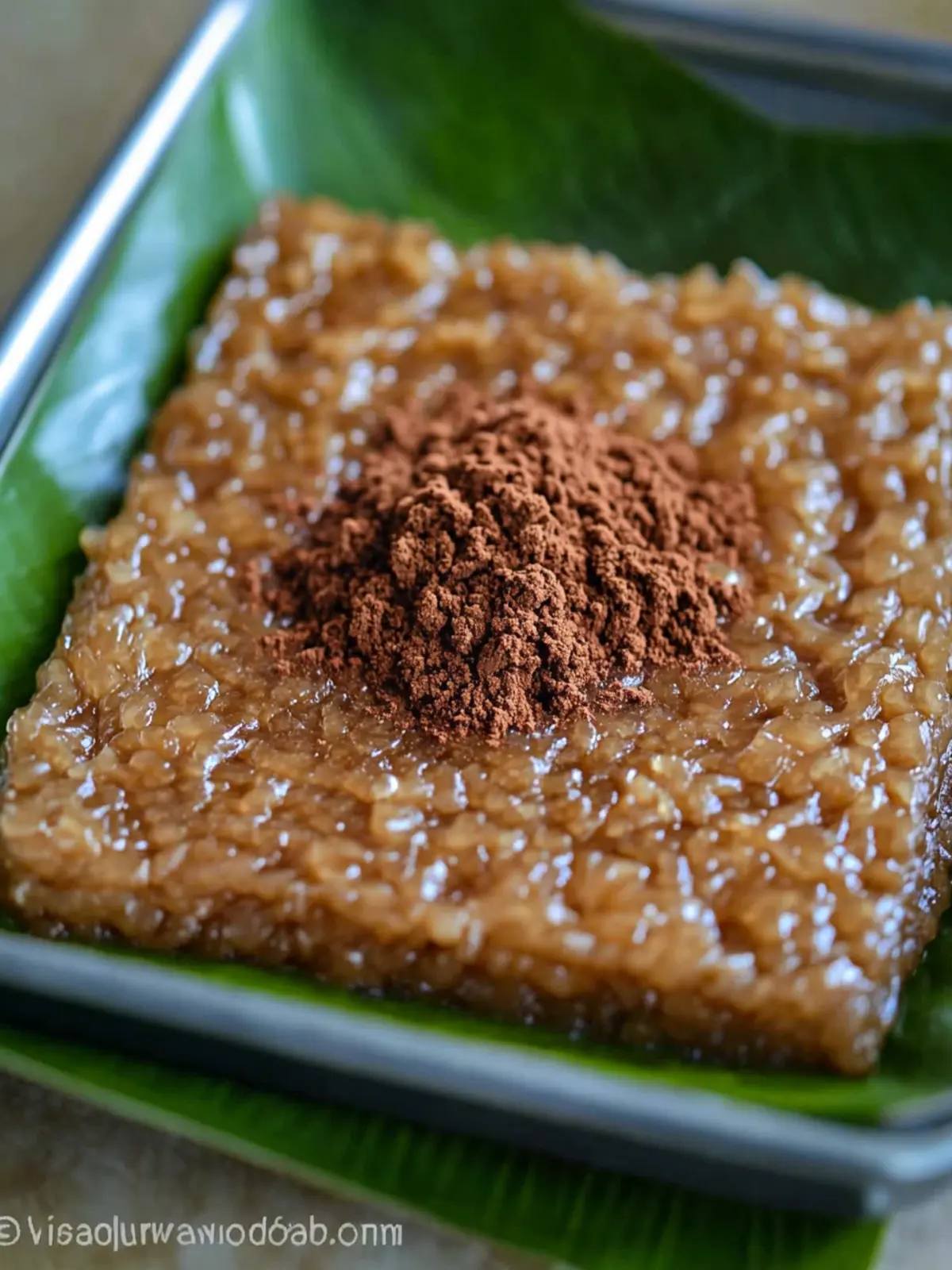
Why is this Biko recipe a must-try?
Simplicity: This Biko recipe requires only a handful of ingredients, making it perfect for both novice and seasoned cooks.
Quick Preparation: With just under an hour of cooking time, you can dive into a delightful dessert without sacrificing your entire day.
Heartwarming Flavors: The combination of glutinous rice, coconut milk, and brown sugar results in a uniquely comforting dessert that evokes feelings of home and celebration.
Versatile Options: Experiment by adding flavors such as ube or chocolate, allowing you to tailor this classic to your taste.
Gluten-Free Goodness: It s a sweet treat that caters to gluten-free diets, ensuring everyone can indulge in its deliciousness.
This Biko recipe isn t just a dish; it s an experience that brings family and friends together!
Biko Recipe Ingredients
Here s what you need to create this delightful Filipino treat!
For the Batter
- Glutinous Rice Use short-grain sticky rice for the perfect chewy texture.
- Water Essential for cooking the rice properly without making it mushy.
- Brown Sugar Light brown sugar can be used if you prefer a milder sweetness.
- Coconut Milk Opt for full-fat coconut milk to ensure a rich and creamy consistency.
- Salt Don t skip this; it enhances the overall flavor and balances sweetness.
For the Topping (optional)
- Latik Top with homemade latik for a crunchy texture contrast.
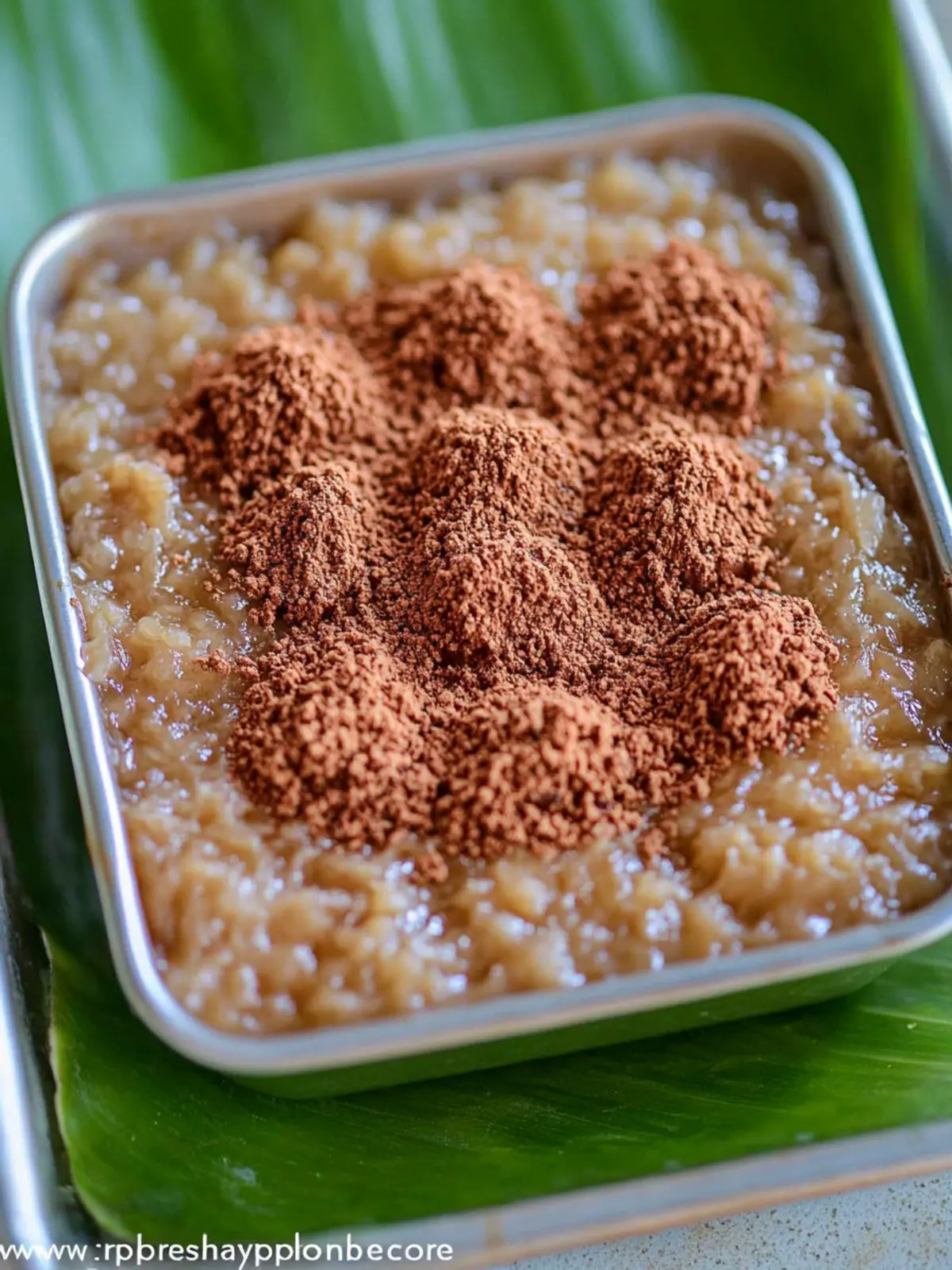
- Cacao Powder Add this for a chocolate Biko variation; adjust sweetness accordingly.
- Ube Halaya Incorporate this for a vibrant, purple twist and unique flavor.
Dive into this Biko recipe and bring a taste of the Philippines into your home!
How to Make Biko
- Prepare Rice: Start by combining 2 cups of glutinous rice and 1.5 cups of water in your rice cooker. Cook until the rice is firm to the bite but not fully cooked, which helps in better absorption later.
- Make Coconut Mixture: In a separate pot, combine 4 cups of coconut milk, 2 cups of brown sugar, and 0.5 tsp of salt. Heat this over low flame, stirring consistently until it thickens, becoming a luscious and smooth mixture.
- Combine and Cook: Gently fold the undercooked rice into the coconut mixture. Stir well and continue cooking until the combination thickens further and most of the liquid evaporates, being cautious not to let it scorch.
- Serve: Once thickened, transfer the mixture to a serving plate, flattening the surface. Enjoy this warm, or let it cool to room temperature before slicing.
Optional: Sprinkle with toasted coconut or top with latik for added texture and flavor.
Exact quantities are listed in the recipe card below.
Tips for the Best Biko Recipe
- Rice Selection: Use short-grain glutinous rice for that signature chewy texture. Avoid long-grain as it won t yield the same results.
- Cooking Time: Ensure the rice is slightly undercooked before adding it to the coconut mixture; this helps it absorb flavor without becoming mushy.
- Stir Constantly: When heating the coconut milk mixture, constant stirring is key to prevent scorching and ensure a smooth consistency.
- Taste as You Go: Before serving, taste your Biko to adjust sweetness if using variations like ube or chocolate, which can alter overall sweetness.
- Cooling Properly: Allow Biko to cool completely before slicing. This helps it hold its shape better, making it perfect for serving at gatherings.
Enjoy crafting this delightful Biko recipe that s sure to impress family and friends!
What to Serve with Biko?
Create a delightful experience that embraces the rich, sweet notes of this Filipino classic.
- Fresh Mango Slices: The juicy sweetness of ripe mangoes balances the richness of Biko, making every bite a tropical delight. A perfect companion for this dessert!
- Coconut Macaroons: Enhance the coconut flavor while adding a crunchy texture that contrasts beautifully with the soft Biko. These chewy treats are sure to fill your kitchen with nostalgia.
- Hot Coffee: A steaming cup of coffee complements the sweetness of Biko, providing a comforting warmth that makes this pairing truly special. Enjoy it as a perfect afternoon pick-me-up!
- Ube Ice Cream: This creamy, vibrant treat adds a refreshing chill that pairs wonderfully with the sticky sweetness of Biko. This colorful addition brings a fun twist to your dessert table.
- Roasted Sesame Seeds: Sprinkling roasted sesame seeds over Biko adds a toasty crunch and nutty flavor, elevating the dish and providing a delightful contrast in texture.
- Warm Chocolate Sauce: Drizzling warm chocolate sauce can create a divine, indulgent experience. It s a great way to transform your Biko into a new, delectable treat.
- Sweetened Condensed Milk: A drizzle of sweetened condensed milk adds a creamy sweetness that blends perfectly with Biko s flavor. It s an uncomplicated way to bring extra richness to each bite.
- Turmeric Rice: For an unexpected savory option, serve Biko alongside mildly flavored turmeric rice. It s a unique way that enhances the meal s overall profile with a touch of warmth.
Biko Variations
Feel free to let your imagination run wild and personalize this recipe just the way you like it!
- Biko with Latik: Top your Biko with homemade latik for a crunchy, additional layer of texture and flavor.
- Chocolate Biko: Add cacao powder to the coconut mixture for a rich chocolatey twist that s sure to delight chocolate lovers.
- Ube Biko: Mix in ube halaya to create a colorful and flavorful version that brings a sweet, earthy undertone.
- Nutty Biko: Stir in crushed nuts like toasted almonds or walnuts for a satisfying crunch a perfect contrast to the sticky rice.
- Spicy Biko: Add a pinch of chili powder for a subtle heat that elevates the sweetness to a whole new level.
- Fruit-Infused Biko: Incorporate diced mango or ripe bananas into the mixture to add a fresh, fruity burst of flavor.
- Coconut Cream Drizzle: Drizzle with coconut cream just before serving for an extra layer of creaminess and a rich finish.
- Maple-Infused Biko: Substitute brown sugar with pure maple syrup for a unique, delicious twist that will add a different depth of sweetness.
With these variations, you can turn classic Biko into your very own signature creation!
Storage Tips for Biko Recipe
Room Temperature: Store Biko at room temperature in an airtight container for up to 3 days to maintain its texture and freshness.
Fridge: For longer storage, refrigerate Biko in an airtight container where it can last up to a week. Reheating slightly will help regain its delightful stickiness.
Freezer: If you want to preserve Biko for an extended period, freeze it wrapped tightly in plastic wrap and aluminum foil for up to 3 months. Thaw in the fridge before serving.
Reheating: To reheat Biko, steam or microwave it for a few seconds until warmed through, ensuring it remains soft and chewy. Enjoy this beloved Filipino treat anytime!
Make Ahead Options
Preparing this delightful Biko recipe ahead of time is a fantastic way to save precious moments during busy days! You can make the coconut mixture (4 cups of coconut milk, 2 cups of brown sugar, and 0.5 tsp of salt) and store it in the refrigerator for up to 3 days. Additionally, the glutinous rice can be cooked and kept in an airtight container for up to 24 hours before combining it with the coconut mixture. To maintain its quality, ensure the rice is slightly undercooked so it absorbs the coconut mixture perfectly. When you re ready to serve, simply reheat the coconut blend, incorporate the rice, and cook until thickened resulting in the same delicious stickiness and flavor, just with less effort!
Biko Recipe FAQs
What type of glutinous rice should I use for the Biko?
Absolutely! For the best texture, I recommend using short-grain glutinous rice, which gives Biko its signature sticky and chewy quality. Long-grain rice doesn t provide the same results and can lead to a less cohesive dessert.
How should I store leftover Biko?
You can store Biko at room temperature in an airtight container for up to 3 days. If you d like to keep it longer, refrigerate it in an airtight container for up to a week. Just remember to reheat it slightly before enjoying, which helps bring back its delightful stickiness!
Can I freeze Biko, and if so, how?
Very much! Biko can be frozen for up to 3 months. To do this, wrap the Biko tightly in plastic wrap, then cover it with aluminum foil for extra protection against freezer burn. When you re ready to enjoy it, thaw it in the refrigerator overnight before reheating.
What if my coconut mixture gets too thick or scorches?
If your coconut mixture becomes too thick while cooking, simply add a splash of water or coconut milk to loosen it. If it starts to scorch, remove it from the heat right away to prevent further burning. Stirring constantly while cooking helps prevent this, so keep a close eye on it!
Is this Biko recipe suitable for people with nut allergies?
Absolutely! This Biko recipe is nut-free, making it a safe dessert option for people with nut allergies. However, if you plan to use variations that contain nuts as toppings or ingredients, be sure to check for allergies beforehand.
What variations can I make to this Biko recipe?
You have many fun options! To create a chocolate Biko, simply add cacao powder to the coconut mixture before combining with the rice. For a colorful twist, you can mix in ube halaya for a rich purple hue and unique flavor. Each variation is an exciting way to put your personal spin on this beloved classic!